Tuesday, 8 January 2019

Chiang Mai bicycle tours


by Adam Corney

I rode 27.7kms today on a half day bike tour out of Chiang Mai city and into the surrounding towns and suburbs.

It’s amazing how much my view of Chiang Mai is coloured by the experiences we as travellers are forced into, whether we want to be or not.

For example, Chiang Mai has its tourist side – the markets, the bars, the restaurants, the tours and treks. All of this occupies our time while we’re in a location, and satisfies our needs – but it doesn’t really open up the city for exploration. When a well-worn path is in front of you, it’s difficult to avoid walking down it.

I took the fervent advice of a friend at Intrepid Travel in Bangkok to take the half-day bicycle tour, and I’m very glad he pushed me into it.
I’m not a cyclist. The last time I rode a bike I was in Melbourne, and it was one of those trendy fixed-gear bikes that all the hipsters love. So I’m not exactly your role model bike rider.

Rit was my guide on the half day bike tour, which was delivered by Click and Travel. He made the trip fun, relaxed, and most of all comfortable – riding at a pace I could handle, and knowing exactly where to go and how to get there.

**
Rit
Rit came fom a family that couldn’t pay for secondary education, so he voluntarily chose to be a monk and receive his education through temple. He lived and studied as a monk for 7 years.
When the time came to leave the monkhood and return to society, he found it incredilby difficult. As a monk, the only skills you’re taught are how to pray and meditate, so you have no translatable skills. He’s studying now for his tour guide certificate and has been a bicycle guide with the company for two years.
**

What really struck me about the bike tour (aside from my incredibly sore butt afterward) was how different Thai life was once you leave the tourist side. It’s a crime to call their life simple. These people’s lives are not simple – they’re as complicated with relationships, dreams, and desires as ours are. We’re all human beings.

The word I’m looking for is solitude. Compared to the hustle and bustle of tuktuks, taxis, songthaews, and utes, this almost felt like a quiet paradise. It’s exactly the same as our own suburbs – they’re the places you live, not the places you work.

We visited Rit’s home temple; a former Leper colony with a rich history about a US missionary doctor in the early 20th century; and Wiang Kum Kam, an original settlement that predates Chiang Mai.

But the point of the ride wasn’t the destinations – it was the ride itself, and being exposed to the other side of life.

I really appreciated the chance to see what life was like outside of Chiang Mai city – it’s not often you get the chance to escape the well-worn path, even if only for a little while.

Plus it helped me burn off some calories that I knew I was going to be gaining the next day, when I went to do my Thai Cooking Class…

Ultimate Guide to Phuket


by Gary Walsh

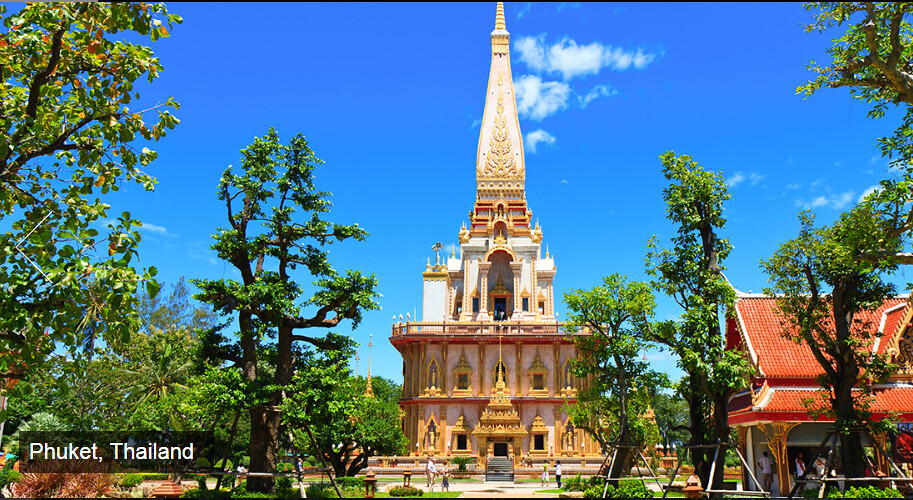
There is a yin and yang to Phuket, Thailand’s most popular beach destination. On the west coast, the endless string of gorgeous white sand beaches is swept by rhythmic waves rolling in from the Andaman Sea. In the east, the beaches are miserly, barely worthy of the name, and sometimes pushed into the sea by mangrove forests until the tide goes out and the sand flats extend to the horizon. It makes for gentle swimming and glorious sunrises. In between is a landscape of mountains, rivers and lush tropical forests, as well as a surprising Sino-Portuguese heritage that reaches its zenith at delightful Phuket Town. Phuket offers a beach holiday that is much more than an excuse to laze on the sand, surf or swim. There is architectural beauty and cultural diversity rare in this part of the world, with experiences as varied as the simple pleasures of mesmerising sunsets and the eye-popping realities of Patong’s naughty-and-nice nightlife. And Phuket is a jumping off point for the dazzling karst limestone regions of Phang Nga Bay and Phi Phi, where you’ll discover the imprint of James Bond and Leonardo Di Caprio.

Ultimate Guide to Koh Samui

InterContinental Koh Samui

OVERVIEW

Koh Samui has grown up. No longer the backpacker backwater of the turquoise Gulf of Thailand, she’s now a sophisticated destination for a more discerning traveller. The jet set has truly arrived, and Samui spoils for choice when it comes to upscale beds, beers and buffets.

There is still the opportunity, however, to party your nights away like it’s your gap year. Also still apparent is the laidback charm of the Thai people and culture. This world-renowned character, coupled with the celebrated Asian knack for hospitality, makes Koh Samui the island of choice for a good chunk of Thailand’s annual 30 million visitors.

It takes just over an hour by plane to exchange the Bangkok bustle for island life, or the more adventurous can take a 3-hour ferry from the mainland port of Surat Thani. Either way, once you arrive it’s all about the beach.

Samui is blessed with miles of coastline, and while it’s not the unspoilt secret sandy paradise of your dreams, such places are a day-trip away. What Samui has instead is a slick tourist infrastructure to ensure that you’re well fed and watered at whatever price point you desire - from Michelin-worthy feasts to street food surprises.

Whether you make the most of the island’s tourist facilities, use it as a base for a spot of island-hopping or simply laze on the beach all day, Koh Samui is an increasingly hip tropical destination.

Monday, 7 January 2019

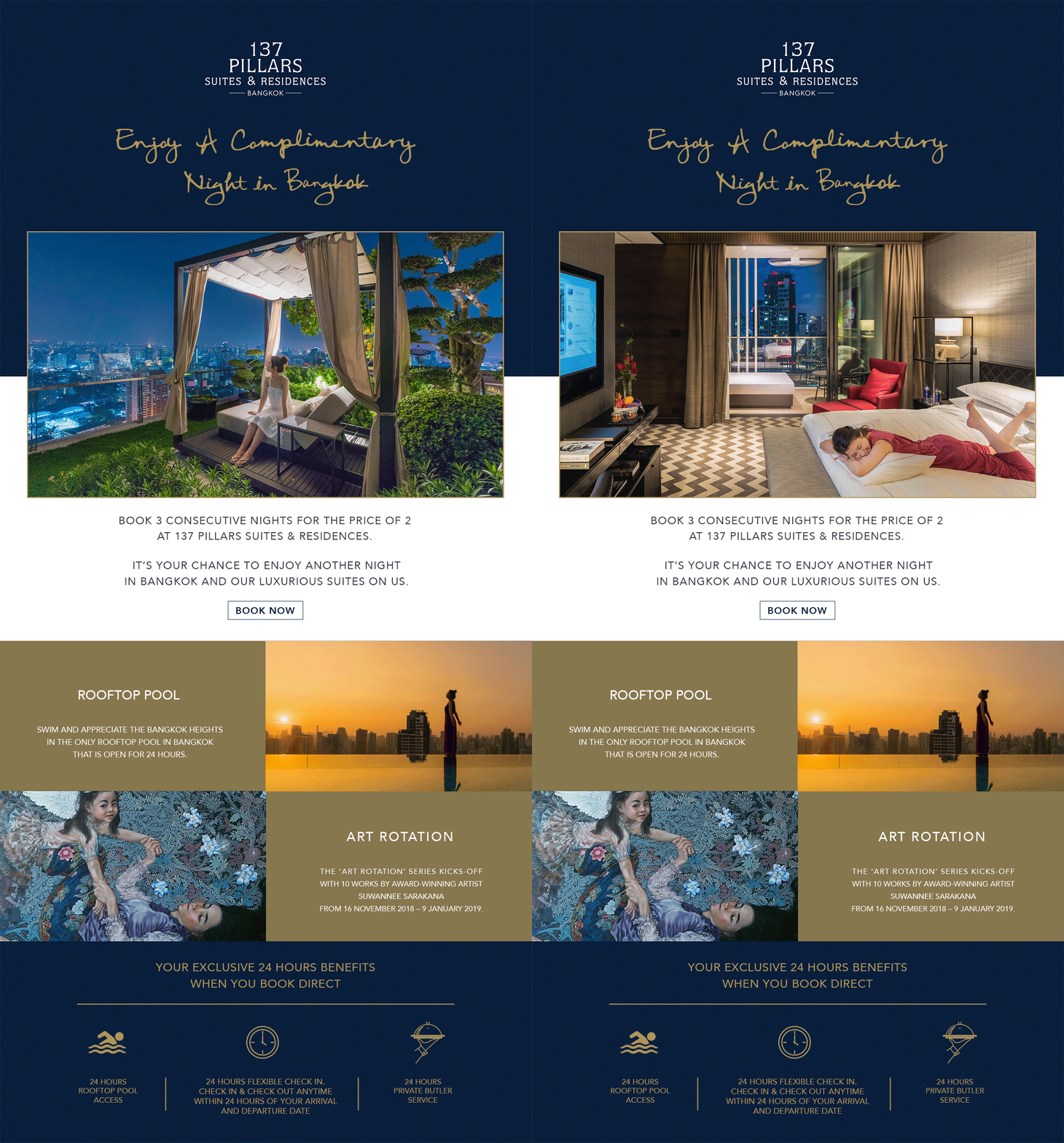
137 Pillars Promotion - enjoy a free night

suites
slh
137 Pillars Suites & Residences Bangkok
59/1 Soi Sukhumvit 39 Klong Nua Wattana Bangkok 10110
E: stay@137pillarsbangkok.com | W: www.137pillarsbangkok.com | T: +66 (0)2 079 7000 

Sunday, 2 December 2018

Northern Thai culture in Chiang Mai


Words: Brad Crawford

Early in the year, I had the chance to visit the beautiful, northern Thai city of Chiang Mai. After arriving in Chiang Mai late evening, the Tamarind Village Hotel in the old part of the city beckoned. This hotel is a beautiful traditional Thai style hotel in the heart of the old city walls. The renovated, original walls of the old city can still be seen and make for fantastic photo opportunities.

For those travellers wanting a nice standard property that has the added advantage of being quiet and centrally located, it is hard to go past the Tamarind Village Hotel.

During our visit to Chiang Mai, we visited the 'Sawasdee Elephant Sanctuary' where we watched these amazing mammals paint canvases with their trunks with different coloured paints. An elephant painting souvenir is a prized item as each has its own unique character. There are plenty of other clever tricks on offer during the performance so this is a visit that should not be missed.

Visitors also have the opportunity of riding the elephants before seeing them undertake their daily bathing ritual. Clearly, the elephants love this part of their routine!

Elephants are very highly regarded in Thailand and well cared for due to the important part they have played in the history of the country over the centuries. From the Elephant Sanctuary, the next part of our adventure was a visit to the Mae Ping River to experience some bamboo river rafting. This was an enjoyable and very peaceful experience.

The Mae Ping River is one of the longest rivers in Thailand and a rafting cruise gives you the chance to take in the surrounding scenery of the Northern Thailand jungle.

A unique cultural experience was had at the next stop with a visit to a local hill tribe just north of Chiang Mai which was very rewarding. We were entertained by the local school children singing traditional songs, colourfully adorned in traditional Thai clothing.

World Travel Service can arrange sightseeing tours around Thailand. You'll find travel desks in major hotels in Chiang Mai or you can arrange all your sightseeing arrangements with your travel agent before you travel.

THAI flights, hotels and sightseeing tours in Thailand can all be booked with travel agents in Australia or by calling 1300 640 373.

Exploring Bangkok Markets


Words: Thea Easterby

It is hard to come to Bangkok and not be amazed by its abundant number of markets. Markets are scattered throughout the city and sell everything from clothes to fresh food to bike parts.

If you think the markets are for the tourists, think again. The Thai people shop extensively from the markets, particularly when it comes to food. The one exception to this is the markets in the busy Khao San Road area where many stalls are specifically targeted towards travellers and backpackers.

Since many Thais work long hours, it makes sense that they would need to be able to do their own shopping at the markets after they finish work. Some of the street markets are open quite late. It was normal for me to go for dinner and drinks and for the markets to be still open long after I was tucked into bed.

A Chinatown tour with Urban Adventures has us wondering through the Pak Khlong Flower market (not often frequented by tourists but well worth a look for all of the stunning displays of colourful flowers). This is the place to see marigolds, the striking yellow flower you see on all of the shrines and spirit houses around Bangkok, literally by the truckload. My tour guide laughs when I tell him that orchids are expensive at home. At the flower market, there are mounds and mounds of them ready to be bought and used in the many hotels across town. Another pricey item at home, roses are cheap and plentiful here.

My tour guide Nop describes the Klong Thom market as the ‘boys market’ and I can certainly see why. This mainly undercover market is where you come to buy engine parts, handyman tools and electrical products. If you are looking for textiles and fabrics, head to the Indian Market on the fringe of Chinatown.

There is even an amulet market adjacent to Wat Mahathat, though I have to admit it takes me a while to get my head around this one. Thai men with eyeglasses scan the amulets, though I have to admit to an untrained non-Buddhist eye, many look the same. The amulet market is also the place to purchase traditional Thai medicine.

I didn’t experience it myself but I heard the Chatuchak weekend market is one of the largest markets in Bangkok.

The one problem with markets can be when you are focused on getting from A to B and everyone else is focused on shopping. On several occasions when I was on my way to dinner or lunch, I got stuck in one of the many footpath markets selling clothes, handbags and the like. Pedestrian traffic can come to a standstill or move at a snail’s pace. If this happens to you - stay calm, be patient and smile.

Jim Thompson House Museum: much more than silk


Words: Michelle White

It’s amazing what you can discover when tagging along with fellow explorers. For a seasoned traveller, the thought of visiting another museum can bring on the odd yawn or two. However, I was more than pleasantly surprised by my recent visit to Jim Thompson’s House.

Jim Thompson was a US military intelligence officer who fell in love with Thailand during a posting and upon leaving the service returned to live there permanently. Highly gifted as a designer and textile colourist, he devoted himself to reviving the long-neglected hand-weaving silk industry which substantially contributed to the worldwide recognition afforded Thai silk today. He gained further renown through his well-known love and collection of local antiquities. In 1967 he mysteriously disappeared during a visit to Cameron Highlands in Malaysia.

Today The Jim Thompson House Museum is an interesting and relaxing journey through six traditional Thai teak buildings, housing an impressive collection of antique Asian sculptures, textiles, paintings, carvings, porcelain and other collectables. Entry fee which includes a 20 minute guided tour (in numerous languages) costs approx $4 Adult/$2 Student and is highly entertaining with plenty of anecdotal stories and superstitious folklore thrown in.

The meandering gardens separating the teak buildings are lush and cool, ending at a sizable, crystal clear fish pond and adjoining café. The café has open air seating and an enclosed air-conditioned section for those less used to the humidity. I can highly recommend the Pad Thai with prawns and lychee/mint/lime frappe which was simply divine.

Prior to leaving, a browse through the silk showroom with its impressive array of superior quality Thai silk clothing and products is a must.

A thoroughly enjoyable way to spend a few hours away from the daily buzz of Bangkok.

Cycling the back roads and back alleys of Bangkok


Words: Jill Varley

It’s challenging enough to keep your equilibrium in check in a taxi or motorised Tuk-Tuk through the streets of Bangkok, let alone get behind the wheel of a car. So navigating this metropolis on a bike is not for the fainthearted. Especially when you consider that this is a city where two million vehicles cram onto the roads and the daytime population rises to more than nine million.

The trick to cycling here I was told is to do it on the back roads and at the right time of day. Not knowing what constitutes the right time of day and indeed which roads to take I sought the advice of the concierge at the Shangri-la Hotel where I was staying. He recommended Dutchman Co Van Kessel’s company Bangkok Bicycle Tours “they know the city like the back of their hand,” he assured.

When Co started his business he had a hunch the city wasn’t all about gridlocked traffic, concrete towers, and choking pollution so he made it his goal to re-discover Bangkok. What he found lurking between the main urban thoroughfares was a vast network of local streets, alleyways, footpaths and canals – hidden worlds of peace and tranquillity, largely unknown to outsiders.

The beauty of cycling in Bangkok, confronting traffic notwithstanding, is the city is as flat a pancake and so it makes any real effort a breeze.

We started from the Grand China Princess Hotel in Samphantawong escorted by experienced and knowledgeable guides who wear distinctive yellow baseball caps. Their bright colour makes them easy to identify and are waved in an assertive manner to stop traffic so the group can scurry single file across a busy road. I start the adventure a mite wobbly as we headed into the narrow laneways of Chinatown, my right foot ready as a foot brake to stop me falling into the steaming woks of breakfasting locals.

After the colour, movement and the potential pitfalls of Chinatown we cycled to the Chao Phraya River and board a waiting ferry which took us to the other side of the river. Back on our trusty ‘steeds’, we rode along narrow elevated boards, criss-cross canal villages, drove through the courtyard of a temple and watched as a Buddhist monk in saffron robes brought food to a gathering of stray dogs and cats. Two hours later we were back where we started with all body parts intact and feeling particularly lightheaded at having survived the experience.

To book a Bangkok Cycling Tour, talk to your travel agent or call 1300 640 373.